
Assisted living safety depends on more than locked doors or emergency buttons. A well-designed community combines building features, trained staff, clear procedures, resident rights, and individualized support to reduce preventable harm while preserving independence.
For residents and families in North Braddock, understanding these features can make visits, care discussions, and move-in decisions more productive. Pennsylvania assisted living residences must meet state licensing requirements, but the quality of day-to-day safety practices can still vary.
What physical features help prevent falls?
The most visible safety features are usually built into hallways, apartments, bathrooms, and shared spaces. Their purpose is to make movement easier for people who may have reduced balance, vision, strength, or coordination.
Useful features may include:
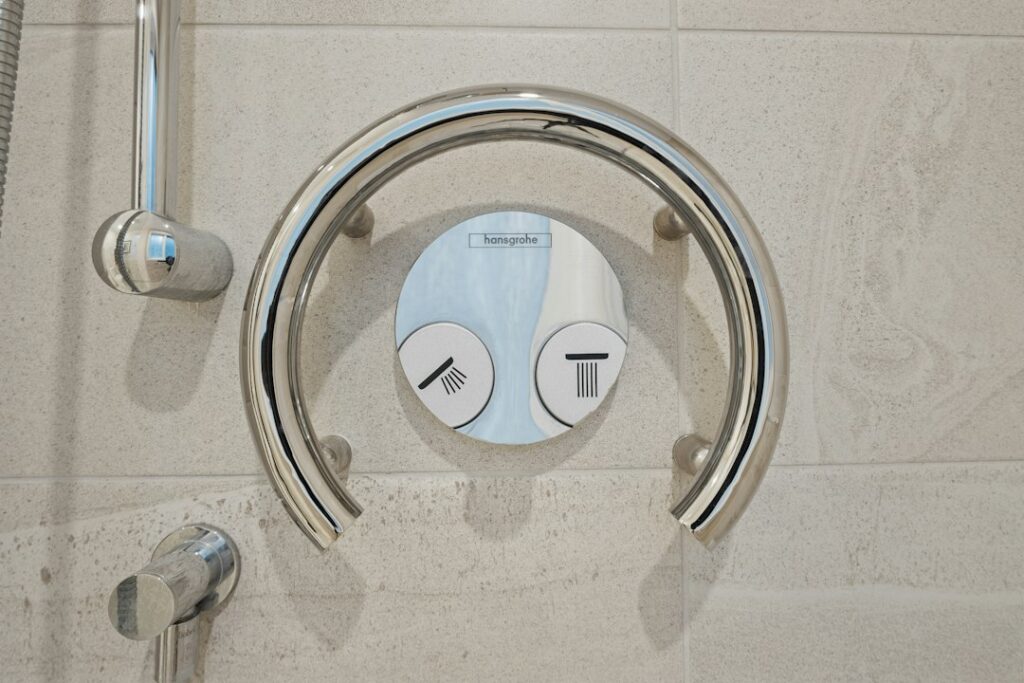
- Grab bars near toilets and showers
- Non-slip flooring and secure carpeting
- Handrails on both sides of stairways
- Bright, even lighting without excessive glare
- Clearly marked changes in floor level
- Wide, unobstructed hallways
- Seating areas for residents who need to rest
- Adequate space for walkers and wheelchairs
- Night-lights or motion-activated lighting
- Accessible thresholds that do not create tripping hazards
Bathrooms deserve close attention because falls frequently occur during bathing, toileting, or transfers. Families should look for walk-in showers, stable shower seating, handheld shower controls, reachable emergency assistance, and enough room for staff to help safely if needed.
A community should also have a process for responding after a fall. The response may include checking for injury, notifying the appropriate people, reviewing medications, and reassessing whether the resident needs additional support.
How are emergencies such as fire, power loss, or severe weather handled?
Emergency preparedness should address more than evacuation. Residents may need help during a fire, extended power outage, winter storm, flooding event, medical emergency, or interruption of water and communication services.
Pennsylvania licensing requirements include fire safety approval, emergency procedures, inspections, and evacuation planning. Families should ask how often drills occur, how residents who cannot walk independently are assisted, and where residents would go if the building needed to be cleared.
A practical emergency plan should identify:
- Primary and alternate evacuation routes
- Staff responsibilities during an emergency
- Transportation or relocation arrangements
- Backup power for essential systems
- Procedures for medication and medical equipment
- Communication with families or designated contacts
- Food, water, heat, and personal care needs during an extended disruption
Seasonal conditions also matter. In the region, winter ice, snow, freezing temperatures, and occasional power interruptions can affect entrances, sidewalks, transportation, and heating. Safe communities monitor exterior walkways, keep emergency supplies available, and have a plan for residents who cannot safely travel outside.
During a visit, notice whether exits are clearly marked, corridors are free of storage, fire doors close properly, and staff can explain emergency procedures without hesitation.
What systems protect residents from wandering or unsafe exits?
Some residents experience memory loss, confusion, or judgment changes that increase the risk of leaving an area unsafely. Safety systems may include secured doors, coded access points, door alarms, motion sensors, monitored entrances, and individualized supervision.
These measures should be matched to the resident’s needs rather than applied in a way that unnecessarily restricts everyone. A locked door alone does not provide complete protection. Staff must know which residents need closer observation, what behaviors may signal distress, and how to respond respectfully.
Families should ask:
- How are visitors identified and monitored?
- What happens if a resident tries to leave unexpectedly?
- Are outdoor areas secured and accessible?
- How are personal preferences balanced with safety?
- Does the care plan explain supervision needs clearly?
Pennsylvania resident protections include freedom from abuse, neglect, exploitation, and inappropriate restraints. Safety technology should support care, not replace human attention or become a substitute for individualized planning.
How are medications managed safely?
Medication errors can cause serious harm, particularly when residents take several prescriptions or have changes after a hospital stay. Safety features may include locked medication storage, trained medication staff, pharmacy coordination, written administration records, and routine review of prescriptions.
A dependable medication process should confirm the correct resident, medication, dose, timing, and method of administration. It should also document missed doses, refusals, side effects, and medication changes.
Families can ask whether residents may self-manage some medications and what assessment is used to determine that ability. A resident who safely manages one medication may still need assistance with another. The answer should be based on the individual’s condition and documented care plan.
Medication safety also includes observing for dizziness, sleepiness, confusion, dehydration, or other changes that could contribute to falls or illness.
What protections address abuse, neglect, and financial exploitation?
A safe community needs clear safeguards for physical, emotional, sexual, and financial well-being. Staff should receive training on recognizing abuse, neglect, intimidation, exploitation, and sudden changes in a resident’s behavior or finances.
Residents should have privacy, access to a telephone, the ability to receive visitors, and a way to report concerns without retaliation. They also have the right to participate in decisions about their care and to review or request corrections to their records.
Warning signs that deserve attention include:
- Unexplained bruises or injuries
- Sudden fearfulness around a particular person
- Unusual withdrawal or agitation
- Missing money, clothing, or personal items
- Poor hygiene or untreated medical needs
- Repeated unanswered complaints
- Staff discouraging private communication with family

A community should explain its complaint process, emergency reporting procedures, and how residents can reach an ombudsman or other outside advocate. A complaint system is meaningful only if residents can use it without intimidation.
How does staffing affect safety?
Equipment cannot compensate for inadequate staffing or poor communication. Safety depends on having enough trained personnel present, especially during mornings, evenings, medication times, meals, bathing, and shift changes.
Families should learn:
- Who is available overnight
- How staff respond to call buttons
- Whether nurses are regularly present
- How new employees are trained
- How information is passed between shifts
- What happens when a resident’s needs increase
- How staff respond to falls, illness, or behavioral changes
Observe whether staff know residents by name, respond calmly, and communicate respectfully. A rushed or confusing interaction may reveal more about daily safety than a polished tour.
What should families check during a visit?
A safety review should include both visible conditions and direct questions. Look beyond decorative features and ask how systems work in ordinary situations.
Notice whether:
- Floors are dry and free of clutter
- Handrails and grab bars are secure
- Emergency call devices are reachable from the floor
- Hallways are adequately lit at night
- Food, water, and medications are handled carefully
- Residents appear appropriately supervised
- Outdoor paths and entrances are maintained
- Staff explain safety procedures consistently
Ask to see the current license and inspection information, which assisted living residences are required to make available. Also request an explanation of the residence’s emergency plan, medication policy, fall response, visitor rules, and process for updating a resident’s service plan.
The safest setting is not necessarily the one with the most alarms or restrictions. It is the one that combines sound physical design, prepared staff, reliable communication, emergency readiness, and respect for each resident’s dignity and independence.
