

How Does Assisted Living Support Social Connections?
Assisted living in North Braddock, PA supports social connections by providing daily opportunities for residents to interact, participate in group activities, and build friendships. Many people moving from private homes may worry about becoming isolated, but communal living environments offer more frequent chances to connect.
Residents typically have access to shared spaces such as dining rooms, lounges, and gardens, fostering casual conversations and group interests. Regularly scheduled activities—like art classes, book clubs, or movie nights—help residents get to know one another in comfortable settings. These daily, planned, and informal interactions often reduce feelings of loneliness and help new residents feel a part of the local community more quickly.
What Types of Social Activities Are Common?
Residents usually find a variety of social activities tailored to different interests and abilities. Local programs may include:
- Group fitness classes suited for different mobility levels
- Craft or hobby sessions like knitting, drawing, or gardening
- Board games, bingo, and card games for friendly competition
- Educational presentations, local history talks, or music events
- Celebrations for holidays, birthdays, or cultural days
- Outdoor walks or seasonal gardening projects (with safety and accessibility in mind due to North Braddock’s hills and varying weather)
These activities are designed to match the pace of area households, considering both the seasonal climate and residents’ preferences. Participation is not mandatory, so people can join as they feel comfortable, allowing everyone to socialize at their own pace.
How Do Shared Meals Encourage Friendships?
Meals in assisted living tend to be served in communal dining areas rather than in private rooms. This creates natural opportunities for conversation and bonding during breakfast, lunch, and dinner.
Residents who might previously have eaten alone now have space to connect, discuss the day, and share stories. Even those who are quieter often gain a sense of inclusion simply by being part of the dining room environment. Staff in North Braddock help ensure that seating arrangements encourage socializing, sometimes with gentle introductions or themed dining events.
Can Social Opportunities Help With Mental and Emotional Health?
Frequent social interaction has been linked by research to improved mood, reduced anxiety, and slower cognitive decline for older adults. In assisted living settings, residents who regularly connect with others generally feel less isolated and more oriented to their routines and the world outside.
In North Braddock, harsh winter months sometimes make it difficult for local older adults to leave their homes to see friends or attend events. Communal living settings provide a reliable solution so residents continue interacting with others regardless of changing seasons or inclement weather, supporting consistent emotional well-being.
How Do Residents Maintain Privacy and Independence While Staying Social?
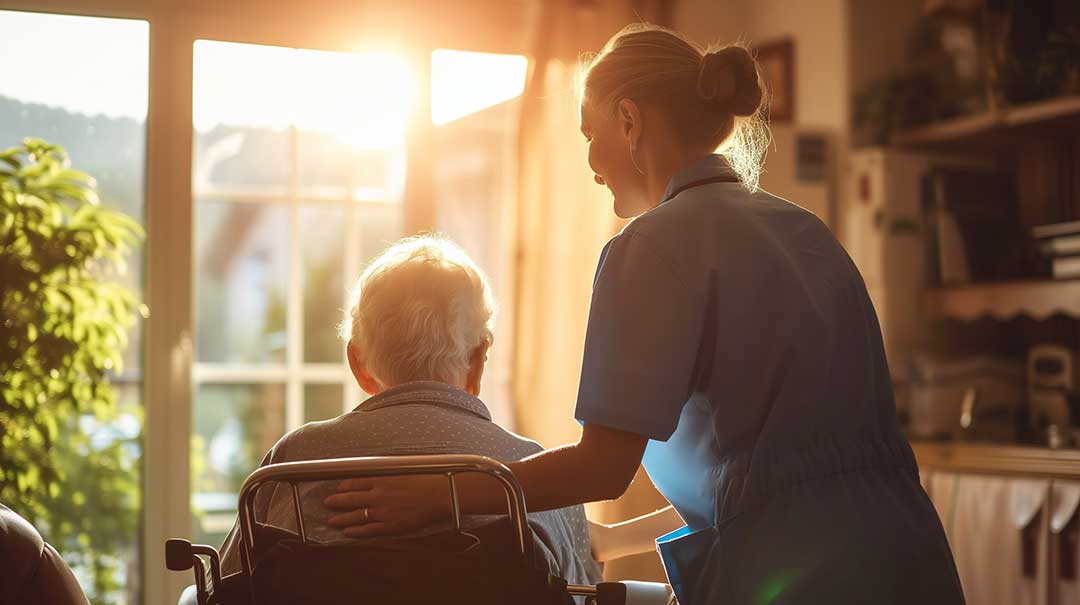
A common question is whether assisted living sacrifices personal independence or privacy in exchange for increased social engagement. Residents in North Braddock have private or semi-private rooms and can choose when and how often to join activities.
Personal routines are respected, with staff available for support but not overly intrusive. Social engagement is encouraged but never forced. Residents often set their own schedules, and friends or family are welcome to visit, which helps to preserve important social ties outside the immediate community.
Are There Ways for Families and Old Friends to Stay Involved?
Family and long-time friends remain an essential part of life after transitioning to assisted living. In this city, most settings offer visiting hours, common spaces for guests, and events where family can participate alongside residents.
Some facilities encourage intergenerational activities, inviting grandchildren or neighbors to join events. Community rooms can often be reserved for family celebrations or quieter visits, ensuring longtime relationships still thrive in this new phase of life.
Common Misconceptions About Social Life in Assisted Living
Many believe moving into assisted living means giving up familiar routines, friendships, or individuality. However, most North Braddock residents find the opposite—daily opportunities for companionship often increase, and isolation tends to decrease.
People sometimes imagine assisted living as overly regimented, but in practice, there is usually flexibility and variety. Residents shape their own experiences by choosing which activities or groups to join, and staff respond to personal interests, sometimes even supporting resident-led clubs or activities.
How Does Local Context Shape Social Life in Assisted Living?
In North Braddock, the pace and style of social engagement reflect local values and climate. With smaller-scale neighborhoods and a tradition of close community ties, local residents often appreciate smaller gatherings, friendly check-ins, and seasonal traditions that align with the rhythms of the region.
Especially during the winter, when travel is tougher and social isolation risks rise, communal living provides a buffer—indoors activities, walking groups in connected hallways, and shared spaces help neighbors support each other until spring.
Social connections in assisted living can bring comfort, lasting friendships, and a renewed sense of belonging for many in the local community—while allowing each person to maintain independence and privacy.
